
Dambulla
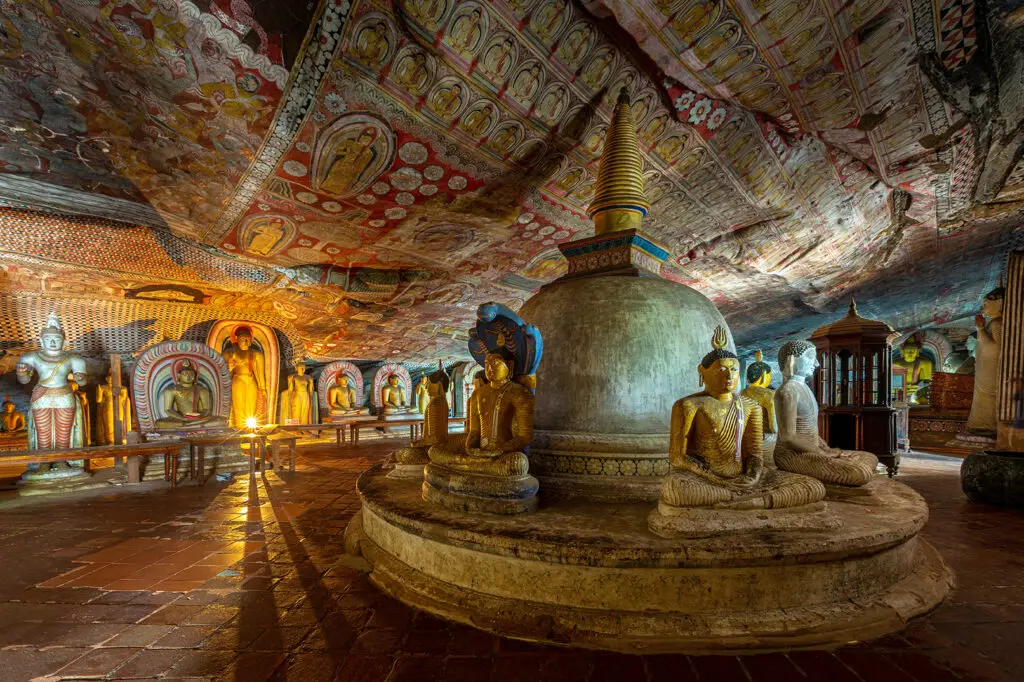
Dambulla’s UNESCO-listed cave temple complex is Sri Lanka’s most significant, with five ancient caves housing over 150 Buddha statues and thousands of square metres of intricate murals spanning two millennia. The summit views, built into a granite outcrop above the plains, are breathtaking. An ideal gateway to the Cultural Triangle. Visit early morning.
Kandy
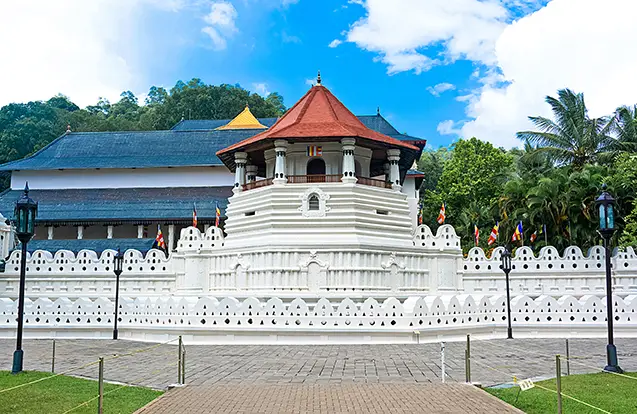
Nestled among mist-covered hills around a scenic lake, Kandy is Sri Lanka’s cultural heart and final royal capital. The sacred Temple of the Tooth Relic draws pilgrims worldwide, while Kandyan dance performances, spice gardens, and artisan workshops offer rich cultural immersion. The nearby Royal Botanic Gardens at Peradeniya are among Asia’s finest.
Polonnaruwa
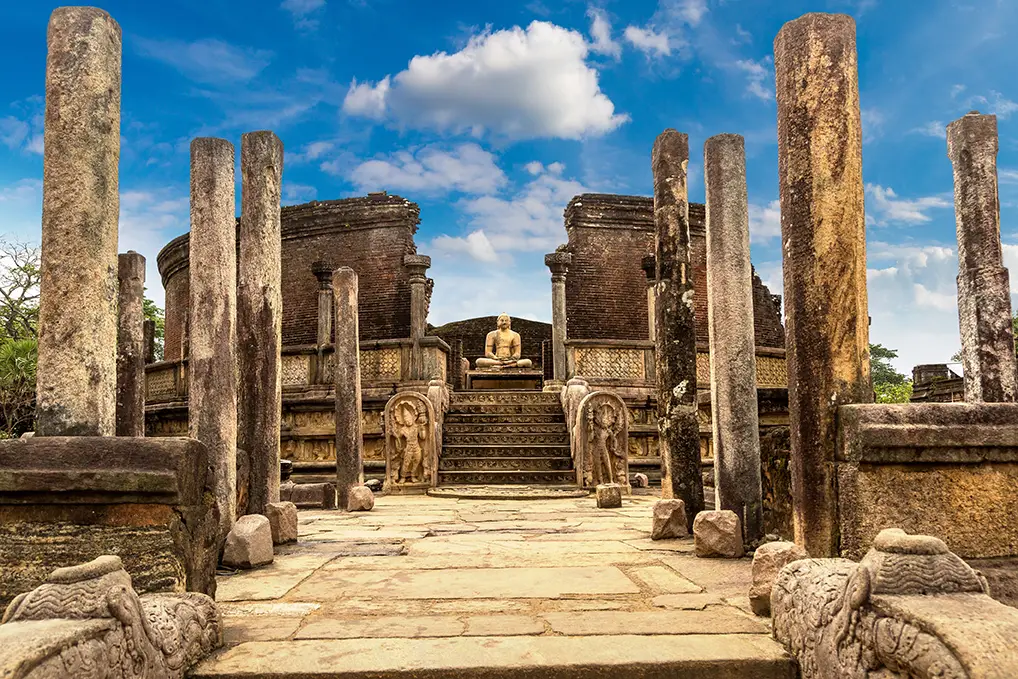
Polonnaruwa is among the island’s best-preserved archaeological sites. Compact enough to cover by foot or bicycle, it features stone temples, royal palaces, colossal Buddha statues, and working ancient reservoirs. The Gal Vihara rock temple, with four granite-carved Buddha figures, is the undisputed centrepiece. Best May to October.
Anuradhapura
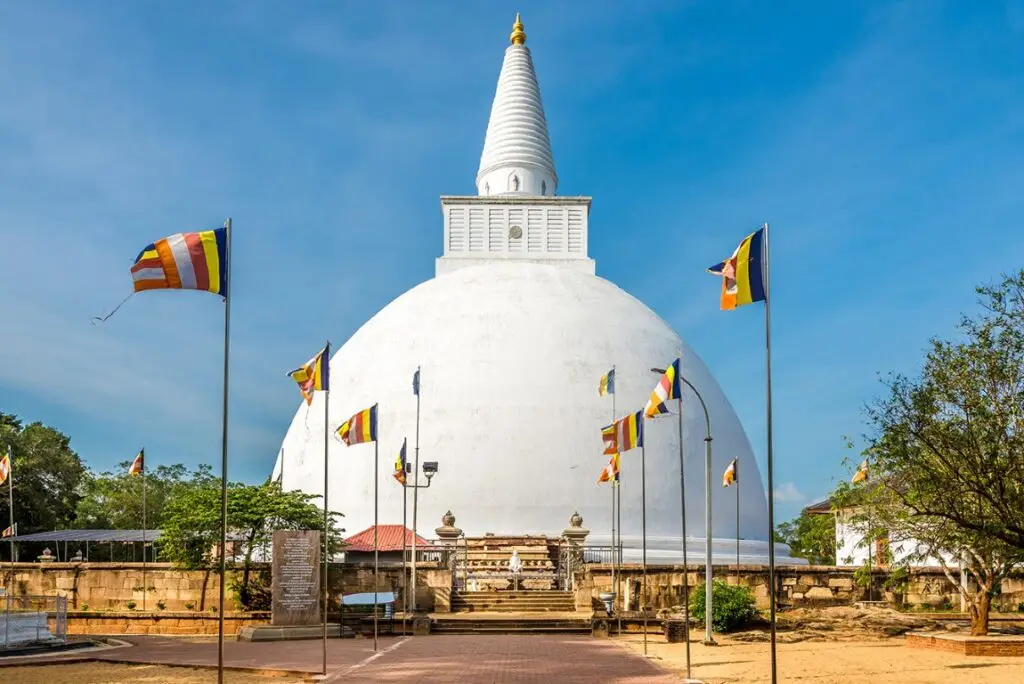
One of the world’s oldest continuously inhabited cities, Anuradhapura spans 2,500 years of civilisation. Its highlights include colossal dagobas, ancient monasteries, vast reservoirs, and the sacred Sri Maha Bodhi tree, grown from a cutting of the original Bodhi tree. Exploring by bicycle is the most atmospheric approach. Best May to September.
Sigiriya
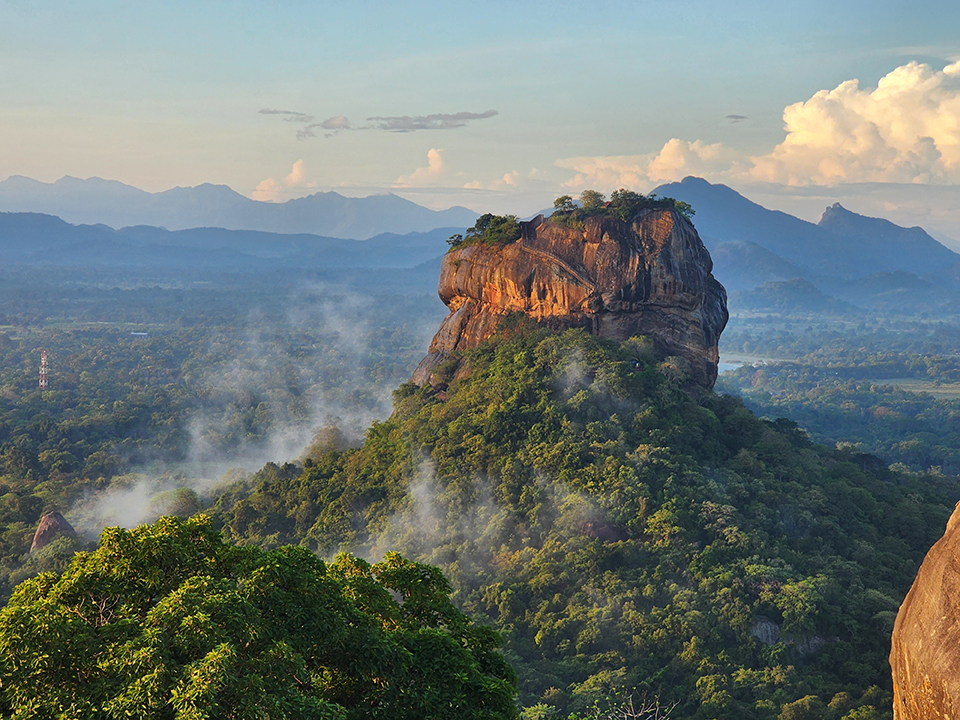
A 5th-century royal fortress rising 200 metres above the jungle, Sigiriya is Sri Lanka’s most iconic landmark. The climb rewards visitors with ancient frescoes, elaborate water gardens, and sweeping panoramic views. The summit platform once held a royal palace. Best visited from November to April, with October offering thinner crowds.